All Categories
Featured
Table of Contents
The benefit is that you can count this stock without affecting your day-to-day operations. It does not inform you your overall inventory levels, so it's not a substitute for a complete count.
Ensure everyone knows the policies for each job, and request feedback on what would make things simpler. This kind of stock management planning will offer you a head start as your organization expands and your stock turnover boosts. Even if you're a small company, attempting to manage your stock with totally manual methods takes a great deal of time and leaves you open to pricey mistakes.
Smart need preparation and stock management will help keep inventory expenses low while satisfying client expectations. Stock management controls make it possible for multichannel and multi-location satisfaction. In the next section, we'll take a look at a few of the software application solutions you can utilize to accomplish this. Inventory management software application enhances your processes with automation and assists you keep track of stock at every stage.
Does Your Financial Setup Support Automatic Scaling?
The benefit is that you get more presence into your operations, and you can make smarter decisions on how to optimize your stock. Brightpearl is a thorough Retail Operating System that's developed specifically for omnichannel merchants. It consists of inventory and sales order management, order fulfillment and shipping, warehouse management, accounting, service intelligence, and built-in POS (point of sale) and CRM.
Brightpearl instantly updates your inventory throughout all sales channels right away after any brand-new orders, replenishments, returns, and warehouse transfers. You can make full or partial cycle counts based on things like item efficiency, item value, and location and even track raw product inventory.
Achieving Sustainability through Operational Automation
Brightpearl's incorporated Stock Planner offers data-driven demand forecasting along with robust analytics and reporting capabilities. You can keep track of altering customer need, market changes, and new trends, along with the sales performance of each itemtaking seasonality into account. The system likewise gives you replenishment recommendations when an item is running low.
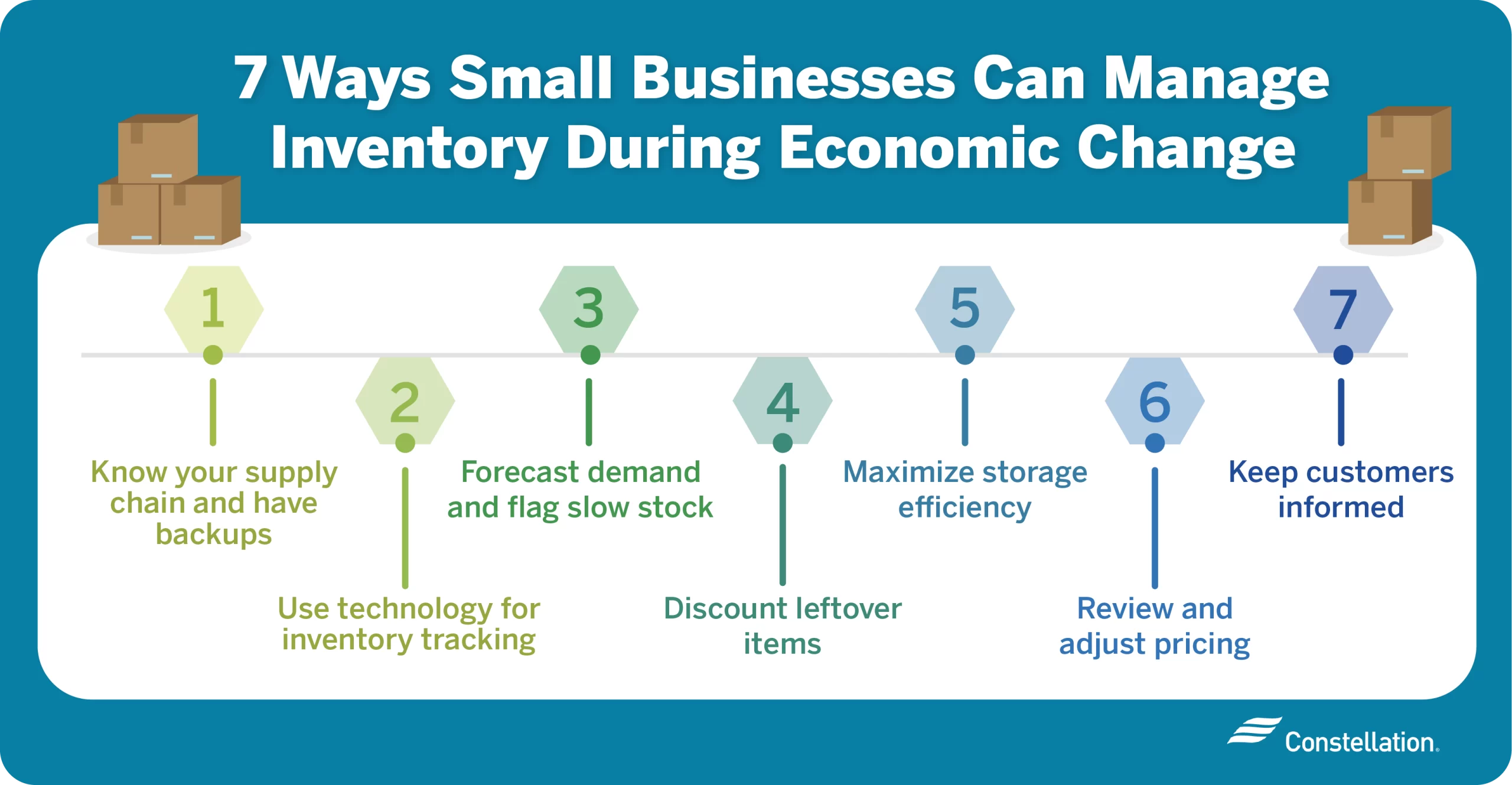
It likewise decreases labor costs by 50%, cuts delivering time by 92%, and reduces human mistake by 65%. You can automate multi-location fulfillment (such as order routing, splitting, backorders, and dropshipping), designate orders to different warehouses, and transfer stock between warehouses. Automation likewise reaches printing shipping labels. By integrating data from all your sales channels, Brightpearl reveals you which products are offering well and which might be doing better.
This analysis also assists with forecasting and warehouse optimization. Select the FIFO (First-in, First-out) accounting design or account for your COGS (Expense of Goods Sold) at the point of delivery or billing, and easily calculate landed costs.
Reducing Store Overhead via Smart Staff Scheduling
You can set your own reorder point, and the system will notify you when it's reached. The handy Replenishment Report shows you which products need to be reordered and in what quantities. It'll even suggest which provider to utilize, and you can create purchase orders in one click. When it comes to choosing stock management services, it's practical for company owners to make a list of required tools and functions.
Does Your Financial Setup Support Automatic Scaling?As ease of use and scalability, you'll want to look at security, uptime, and level of assistance. Some organizations pick to use standalone stock software and connect it to a WMS or OMS platform.
Here are a few examples of business that have actually nailed their stock management strategies: Toyota pioneered the JIT method in 1970, and it proved so effective that they're still utilizing it today. In their strategy, raw products for auto manufacturing are not given the production floor till a consumer order is gotten.
Apple also uses JIT concepts within its production procedure but in a somewhat various method. Apple's method is built on strong supplier relationships, which enables production to be outsourced in order to keep expenses down and lower the risk of overstocking. Apple has 150 key suppliers worldwide but just one warehouse in the USand the majority of its stock is housed in its own stores.

Latest Posts
Preparing for Key SME Funding Requirements for 2026
Ensuring Financial Health for Modern Storefronts
Proven Cost Reduction Tactics and Boost ROI